
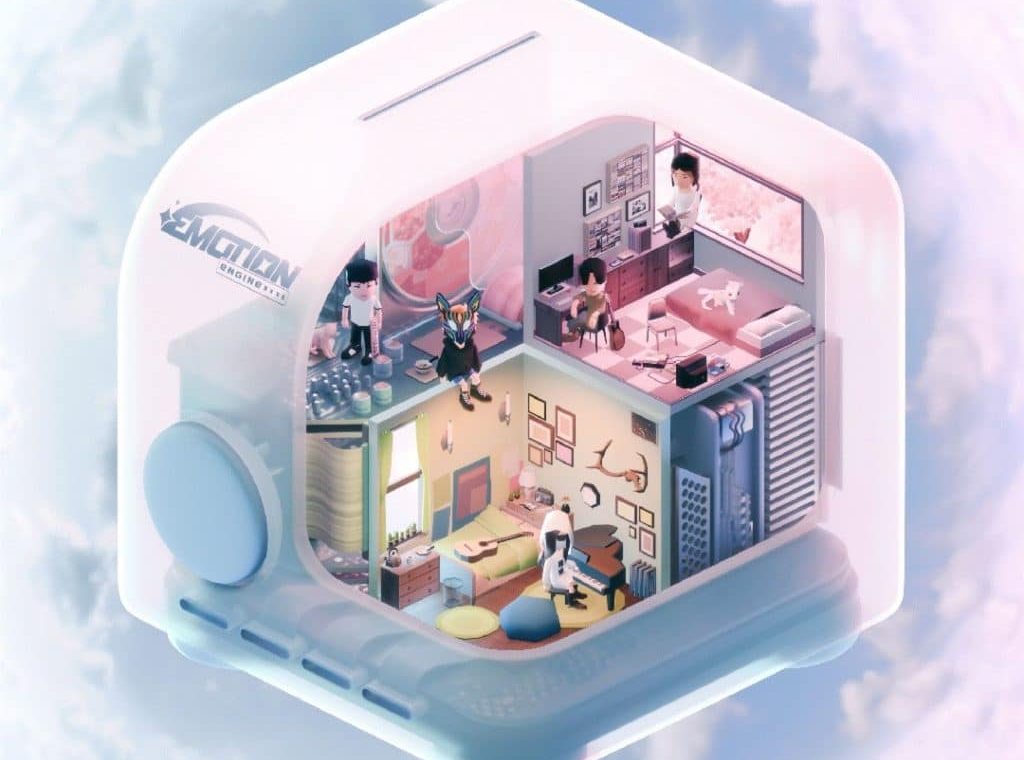
A reflective sixth album
Slow Magic returns three years after his last full-length with Emotion Engine, his sixth album and a record that leans heavily into introspection. Released on Seeking Blue, the project arrives as the producer marks fourteen years since launching the Slow Magic persona.
The album moves through a wide emotional range, balancing the warm familiarity of past work with moments that feel newly inventive. Instrumentation does much of the communicative lifting: the project often stirs feeling before words enter the frame, folding melody and rhythm into compact, evocative scenes.
Slow Magic described his aim for the record plainly: “I’m hoping Emotion Engine provides a sense of connection and captures emotions that don’t need to be explained,” says Slow Magic. That idea — connection without over-explanation — threads through the album’s sequencing and production choices.
Singles, collaborators and standout moments
Emotion Engine was previewed over several months with a string of singles, beginning in March with “Lost,” which features Elohim. Additional releases included “End Credits” with The Chain Gang of 1974, “Hanami” with yutaka hirasaka, “Half Alive” with artemis orion, and “Need U” with A Beacon School. Each single was presented as a sort of chapter from the album, offering different emotional shades.
Opening cut “Memory Card” sets a vivid tone, ushering listeners into a landscape that feels possibility-rich. “Half Alive,” the second track and one of the early singles, pairs crisp percussion with artemis orion’s silky vocal performance, the arrangement giving her lines room to linger.
Other tracks map contrasting moods: “a train I never took” starts with a darker, weighty introduction that later lightens as the tempo shifts, while “Celebrity” builds from chopped, unintelligible vocal fragments into a percussion-forward climax. The penultimate “Dreams” slows the pace considerably and leans into a pensive, yearning atmosphere that underscores the album’s reflective bent.
Companion game: Memory Room
Alongside the album release, Slow Magic published Memory Room, a browser-accessible game designed as a companion experience. Players inhabit a digital version of the producer’s room and interact with objects to help the on-screen compositor work through writer’s block.
The game is intentionally cozy and accessible, and it includes a creative toolset: users can plug in a MIDI device or use their computer keyboard to compose inside the game. Memory Room extends the album’s themes into an interactive space, letting fans explore the process of making and the small rituals that surround it.
Live context and upcoming tour
Slow Magic’s live reputation has always been tied to the emotional clarity of his shows, and Emotion Engine fits into that trajectory by offering material designed to resonate in performance. His previous LP, Forgotten Feelings, arrived in 2023 and included fan favorites such as “222” and “Avoiding Pain.” Since then he’s released singles like “Let U Go,” “hearts/scars,” and “Such Great Heights,” keeping listeners engaged ahead of the new album.
He will take Emotion Engine on the road beginning August 15th with a U.S. tour that includes stops in cities such as Seattle, Philadelphia, and San Diego. The tour offers a chance to hear the new material in a live context that emphasizes Slow Magic’s signature blend of visual anonymity and evocative sound design.
Tracklist
- Memory Card
- Half Alive (with artemis orion)
- Lost (with Elohim)
- Celebrity
- Need U (with A Beacon School)
- Critical Hit (with Jaclyn Lovey and So Much Light)
- a train I never took
- Promises
- Hanami (with yutaka hirasaka)
- Changing The Tide
- Dreams (with Kenneth Takanami)
- End Credits (with The Chain Gang of 1974)
Emotion Engine positions Slow Magic as an artist comfortable revisiting familiar sounds while still nudging his palette forward. Between the record, the interactive Memory Room, and the upcoming tour, this cycle feels curated to draw listeners into both the emotional content of the songs and the creative world behind them.
ElectroLouis independently rewrote this report from the cited source material.


