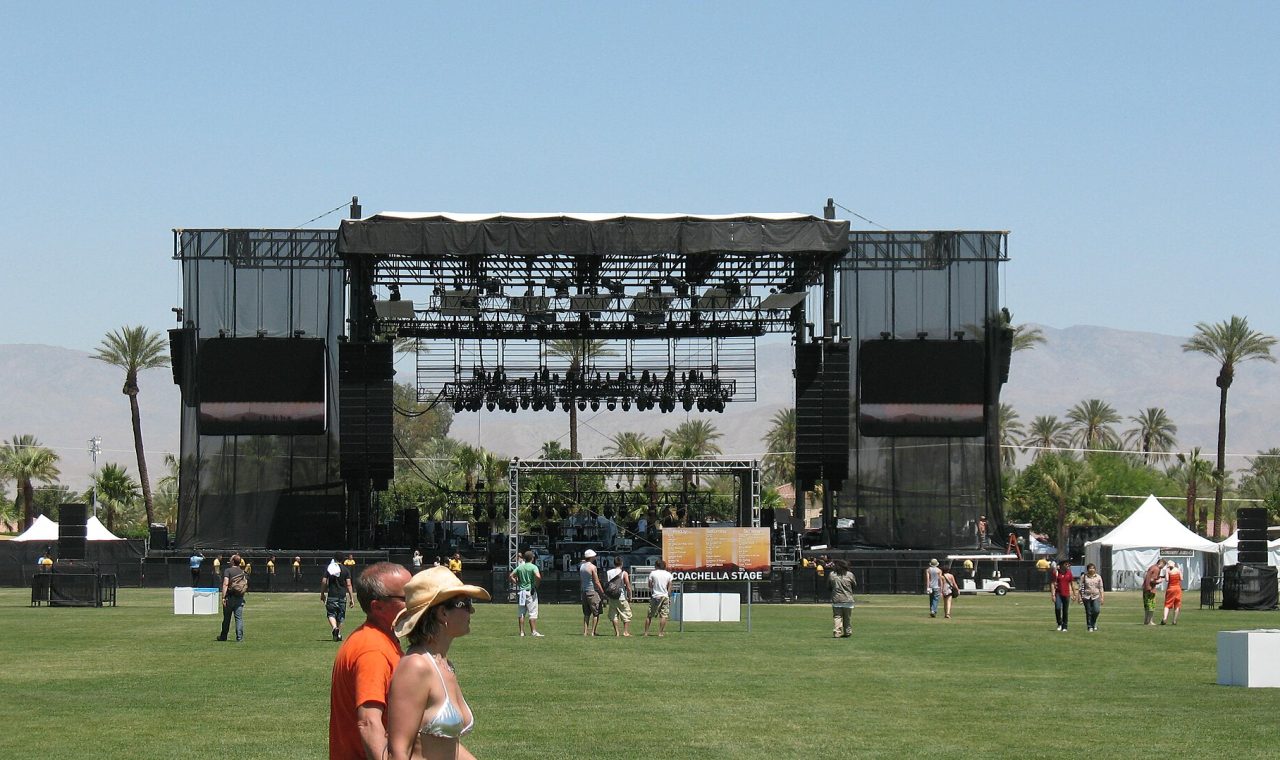
A summer festival stacks up nearly every risk factor for heat illness in one place. Hours in direct sun. Hard physical activity, because dancing for a full set is exercise. Crowds packed close enough to trap heat and humidity. Long lines for water. For some people, alcohol or drugs that interfere with the body’s ability to cool itself.
Most people know to drink water and find shade. Fewer know which signs mean a friend is in real danger, or that the wrong fix can cause a second emergency. This guide pulls together what the Centers for Disease Control and Prevention, its occupational safety arm NIOSH and the National Institute on Drug Abuse say about heat at events like these.
This is general information, not medical advice. If someone may have heat stroke, call 911 or get festival medical staff immediately.
How the body loses the fight
Your body cools itself mainly by sweating. When sweat evaporates from your skin it carries heat away. Heat illness happens when the heat coming in, from the sun, the air and your own working muscles, outpaces what your body can get rid of.
Humidity matters as much as temperature. In air that is already damp, sweat evaporates slowly, so you can be soaked and still not cooling down much. Clothing matters too. Light, loose clothes let sweat evaporate. A light colored, wide brimmed hat keeps the sun off your head and neck.
Heat exhaustion: the warning
Heat exhaustion is the body’s response to losing too much water and salt, usually through heavy sweating. The CDC lists these signs:
- Heavy sweating
- Cold, pale, clammy skin
- A fast, weak pulse
- Nausea or vomiting
- Muscle cramps
- Tiredness or weakness
- Dizziness or headache
- Fainting
The CDC’s advice is to move to a cooler place, loosen clothing, put cool wet cloths on the body or take a cool shower, and sip water. Get medical help right away if the person is throwing up, if symptoms get worse, or if they last longer than an hour. At a festival, that usually means walking them to the medical tent rather than waiting it out in the crowd.
Heat stroke: the emergency
Heat stroke is the most serious heat related illness. NIOSH describes it as the point where the body can no longer control its temperature. Body temperature climbs fast, sweating can fail, and the body cannot cool itself. According to NIOSH, body temperature can reach 106 degrees Fahrenheit or higher within 10 to 15 minutes. Without emergency treatment, heat stroke can cause permanent disability or death.
The CDC’s list of signs:
- High body temperature, 103 degrees Fahrenheit or higher
- Hot, red, dry or damp skin
- A fast, strong pulse
- Headache, dizziness and nausea
- Confusion
- Losing consciousness
NIOSH adds slurred speech and seizures. Notice the overlap with being drunk or high. A confused, unsteady person at a festival can easily be written off as having had too much, which is exactly why heat stroke gets missed. Another clue is the skin. Someone who should be sweating hard and has hot, dry skin may have lost the ability to cool down.
What to do while help is coming
The CDC’s first steps are simple: call 911, because heat stroke is a medical emergency, move the person somewhere cooler and lower their temperature with cool cloths or a cool bath. NIOSH’s guidance for workers goes further and is easy to adapt to a festival:
- Stay with the person until medical help arrives.
- Get them into shade and remove outer clothing.
- Cool them quickly: wet the skin, soak their clothes with cool water, or use cold wet cloths or ice on the head, neck, armpits and groin.
- Fan them to move air across the skin.
One detail surprises people. For heat stroke, the CDC says not to give the person anything to drink. Cooling comes first. Leave fluids to the medics.
The water trap
Drinking enough is essential in the heat. Thirst is not a reliable signal that you need fluids; the color of your urine is a better one, and dark yellow can mean you are dehydrated. Sports drinks or snacks with salt help replace what you sweat out.
But more water is not always better. Drinking large amounts of plain water during long, sweaty exertion can dilute the sodium in your blood, a condition called hyponatremia. It is a known risk for marathon runners and other endurance athletes. Mild cases cause headache, nausea, confusion and poor balance. Severe cases cause seizures and coma, because water moves into brain cells and makes them swell.
Dance music has a painful history with this. In November 1995 an English teenager, Leah Betts, took an ecstasy tablet at her 18th birthday celebration and then drank roughly seven liters of water in about 90 minutes. She collapsed and died days later. The inquest found she died of water intoxication leading to hyponatremia, and suggested the drug may have impaired her body’s ability to regulate water. The sensible middle ground is steady drinking through the day, with some salt, rather than gulping huge volumes at once.
Why drugs raise the stakes
The National Institute on Drug Abuse warns that MDMA, sold as ecstasy or molly, can cause a dangerously steep rise in body temperature called hyperpyrexia, particularly when people are very physically active or in a warm environment such as a club. NIDA also notes that drugs sold as MDMA are often mixed with other substances, including methamphetamine and synthetic cathinones. Alcohol, stimulants and some medications all make it harder for the body to cool down and can add to dehydration.
A simple festival plan
- Know where the medical tent and water points are before the first set.
- Drink steadily all day, and eat something salty. Watch the color of your urine.
- Wear light, loose clothing and a hat. Take shade breaks in the hottest hours.
- Agree on check in times with your group, and actually check in.
- If a friend is confused, unusually hot or stops making sense, do not assume they are just drunk. Get help.
Heat illness at a festival is common and largely preventable. Heat stroke is rarer but moves fast, and the people most likely to spot it first are the friends standing next to you.
Photo via Wikimedia Commons, public domain